
Common Appliance Problems in Dover Homes
When a washer starts leaking in a Dover basement laundry area, the water often pools on a concrete floor and goes unnoticed until the next trip downstairs. Many of the single-family homes here were built decades ago, and the plumbing and electrical behind those older walls can make routine appliance failures a little less routine.
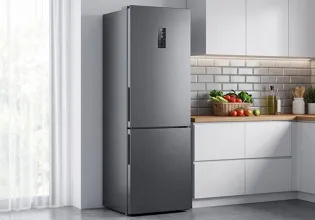
- Refrigerators that stop cooling — often the condenser coils are caked with dust, but in older kitchens with limited ventilation behind the unit, the compressor overheats faster than it should.
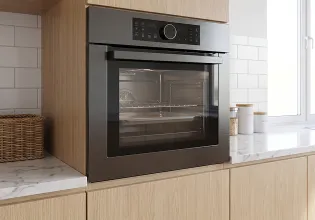
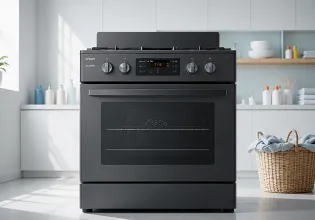
- Gas ovens or stoves that won't hold temperature. A faulty igniter is the usual suspect, though we sometimes find a corroded gas valve on an older range that has been in the house for twenty-plus years.
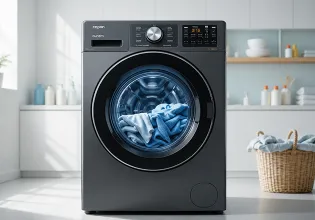
- Washers that won't drain. In basement setups, the drain hose run can be longer than the manufacturer intended, and that extra length causes slow drainage or standing water in the tub.
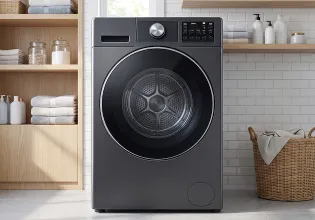
- Dryers not producing heat — worth checking the vent path first, especially when the duct runs through a basement wall and up the side of the house.
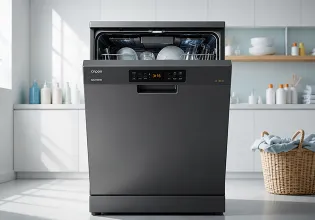
- Dishwashers leaving dishes dirty or failing to drain, often traced to a clogged filter or a kinked drain line under the sink.
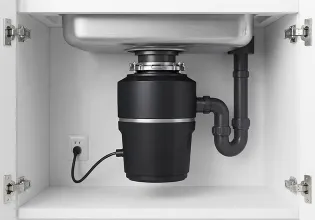
- Garbage disposals that jam or hum without spinning, usually after silverware or a bone drops in.
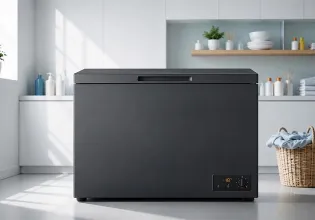
- Freezers building excess frost or warming above safe temperature, which can mean a failed door gasket or a defrost timer issue.
Local Utility, Permit, Safety, and Disposal Factors in Dover
Dover is a small town, but the permit and safety rules that apply to appliance work here are not small. If your gas range needs to be replaced, the installer has to pull a gas permit through the Dover Building Department before touching the gas line. That permit must be obtained by a licensed contractor — not the homeowner — and a local inspector will need to sign off on the work after it is done. Skip that step, and you could face problems when you sell the house or file an insurance claim.
The same applies to electrical and plumbing work tied to appliance replacement. Adding a new circuit for a larger electric dryer? Electrical permit. Connecting a new dishwasher or garbage disposal to the drain line? Plumbing permit. Under the Massachusetts State Plumbing Code 248 CMR, all gas piping and gas appliance connections must be performed by a licensed gas fitter, and a local inspector reviews the finished job. Before you schedule a replacement, ask the contractor whether they will handle the permit or if you need to coordinate with the Building Department at 5 Springdale Avenue.
Safety is the other side of this. The Dover Fire Department recommends regular inspection of gas appliances to catch carbon monoxide leaks before they become dangerous. Under Massachusetts State Fire Code 527 CMR, every Dover home with a fossil-fuel-burning appliance — a gas stove, a gas dryer, a boiler — must have working carbon monoxide detectors. If your CO detector is chirping and you also have an aging gas oven, do not ignore both at the same time.
Dryer lint buildup is another concern the Fire Department flags as a leading cause of residential fires. In Dover homes where the dryer sits in a basement and the vent runs a long path through the wall and up to the roofline, lint accumulates faster than in a short, straight run. Have the vent cleaned regularly, and pay attention if drying times start creeping up.
Dover Fire Department
1 Walpole Street
Dover, MA 02030
Phone: (508) 785-0073
Official Website
When it comes to getting rid of an old appliance, Dover's rules are specific. The town runs a Pay-As-You-Throw trash program, and large appliances are not accepted in standard curbside collection. You have to schedule a separate bulky-item pickup through the town's contracted hauler. Refrigerators and freezers get extra scrutiny because they contain refrigerants — under both state and federal law, a certified technician must recover those chemicals before the unit can be disposed of. Check the Dover DPW solid waste and recycling guidelines before you haul anything to the curb.
Massachusetts law also protects you as a consumer. Under Chapter 93A, you have the right to a written estimate before repair work begins if the cost will exceed a specified threshold. If a repair company refuses to provide one, that is a red flag. You can learn more about your rights through the Massachusetts Attorney General consumer protection rights page.
What Makes Appliance Repair in Dover Different
Dover is overwhelmingly single-family homes on larger lots — no dense apartment blocks, no high-rise elevators to navigate. That sounds simple until you realize most of these homes are older, with basement laundry setups reached by narrow wooden stairs and kitchens that were designed for appliances half the size of what people buy today. Getting a 36-inch French-door refrigerator through a doorway framed in 1960 takes careful measurement, and sometimes the old unit has to come out before anyone can confirm the new one will fit.
The town's disposal rules also set Dover apart from neighboring communities that may offer easier curbside appliance pickup. Because Dover contracts with a private hauler and requires separate scheduling for bulky items, homeowners who decide to replace rather than repair need to plan ahead. Repairing a malfunctioning washer or dishwasher often turns out to be the faster, less complicated path — especially when you factor in the permit requirements for new gas or plumbing connections that a simple repair avoids entirely.
Appliance Replacement and Household Equipment Considerations in Dover
When a repair no longer makes sense — the compressor on a fifteen-year-old refrigerator fails, or a gas range develops a cracked manifold — replacement brings its own set of steps in Dover. Start with the permit question. If the new appliance connects to a gas line, the contractor needs a gas permit from the Building Department before installation begins. If it hooks up to water supply or drain lines, a plumbing permit is required. Electrical work for a new dedicated circuit means an electrical permit. Ask the installer to confirm which permits apply before the work starts, and verify that they hold the appropriate Massachusetts license.
Disposing of the old unit is not as simple as rolling it to the curb on trash day. Dover's Pay-As-You-Throw program does not cover large appliances, so you will need to arrange a separate bulky-item pickup. For refrigerators, freezers, and any unit containing refrigerants, Massachusetts DEP appliance recycling requirements mandate that a certified technician recover the refrigerant before disposal. Ignoring that step puts you on the wrong side of state and federal regulations. If you are unsure about scheduling or requirements, the Dover DPW office can walk you through the process.
Dover Department of Public Works
50 Springdale Avenue
Dover, MA 02030
Phone: (508) 785-0032
Official Website
One more thing to check: after any permitted gas or plumbing work, a local inspector will need to visit and verify the installation meets code. Plan for that inspection window before you start using the new appliance, especially with a gas range or gas dryer where safety is at stake.
Areas We Serve Throughout Dover
Dover is a compact town without formal neighborhood divisions, but we service homes across every part of it. Whether your property sits along a quiet wooded road or closer to the town center, we work throughout Dover and understand the housing stock here.
- Homes near Dover Center — often among the older properties in town, with original kitchens where countertop space is tight and the gas shutoff valve may be behind the stove in a hard-to-reach spot.
- Properties along Farm Street and surrounding roads — larger lots with homes that frequently have basement laundry areas. Dryer vent runs from these basements tend to be long, which means more lint buildup and slower drying.
- Homes off Dedham Street — we often see older electrical panels in this part of town that may not support a modern high-draw appliance without a circuit upgrade, which triggers an electrical permit.
- Residences near Noanet Woodlands — well-maintained homes, but many were built with compact kitchens that make it tricky to swap a standard dishwasher for a newer, deeper model without adjusting cabinetry.
- Properties along Walpole Street — a mix of older and updated homes. In the updated ones, we sometimes find that a previous renovation rerouted gas lines in ways that complicate a straightforward stove replacement.
- Homes near the Needham border — these tend to be on well water rather than town water, which can affect washer inlet valves and dishwasher spray arms differently than municipal supply does.
- Residences off Centre Street — many of these homes have the washer and dryer tucked into a basement alcove with low ceiling clearance, so a top-loading washer is sometimes the only practical option.
- Properties along Pleasant Street — older single-family homes where the kitchen refrigerator alcove was sized for a unit from the 1970s. Worth measuring before ordering a replacement.